
When people talk about trout habitat, it is easy to picture something physical: a clean gravel bar, a good shoal, a deep hole, or a bank with overhanging trees. Those features matter on the Little Red River, but they only work when they are part of a larger system: cold water moving with adequate flow, clean bottom, woody cover, aquatic vegetation, insects, healthy banks, and the land that drains toward the river.
That is why habitat conversations on the Little Red can get complicated quickly. Adequate flow affects temperature and wetted habitat. Temperature affects trout behavior and insect life. Sediment changes the river bottom. Bank management shapes shade, runoff, and cover. We should be honest about that complexity. These are shared challenges on a shared river, and understanding how the pieces fit together is the first step toward protecting healthy trout, reliable insect life, good fishing, and a strong future for wild brown trout.
For a new trout fisherman, that means the place where a fish is holding is only part of the story. The current feeding that spot, the insects drifting through it, the shade over it, and the bank beside it all help explain why trout are there. Experienced anglers may read those details more quickly, but they are looking at the same river.
A Mossy River Is Not Automatically a Bad River
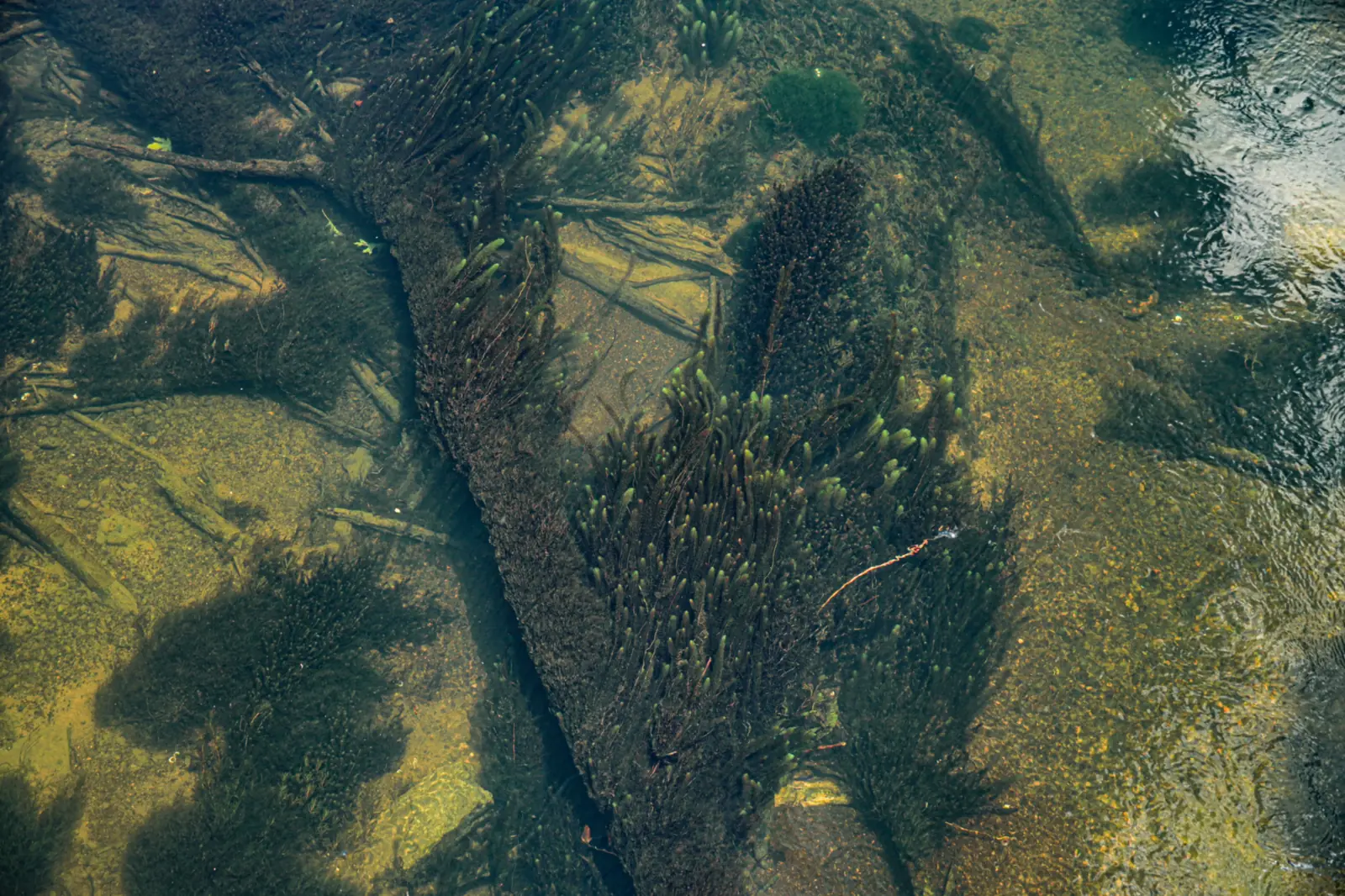
The Little Red is a mossy river. Most anglers know that. But aquatic vegetation is not automatically a problem. In many places, it is part of the river’s productivity.
Caddis and other aquatic insects use certain types of underwater vegetation and algae. Small fish and insects find shelter in it. Trout use it too. The goal should not be to remove every bit of vegetation. The river needs a healthy balance.
The challenge comes when heavy vegetation, including dense milfoil in some areas, begins catching sand and silt. Over time, that can cover cobble and rock where insects live and where current should move cleanly. A moss bed can act almost like a filter. When the river slowly stores sediment instead of moving it downstream, the food-producing bottom begins to change.
The simple version is this: bugs need clean places to live, and trout need bugs. If the river bottom gets buried, the food chain changes.
Silt Is a Quiet Habitat Problem
Silt and sand usually do not arrive all at once. They wash in from tributaries, bare soil, developed ground, mowed fields, construction runoff, and eroding banks. The Little Red has a relatively low gradient, and because it is a tailwater, its current is often determined by generation. When muddy runoff enters the river and enough flushing flow does not follow, fine sediment can settle into vegetation and low-current areas.
That matters. Sediment can soften shoals, fill small pockets, bury rock, and reduce the amount of habitat available for aquatic insects. The change is gradual, but over years a productive place can become sandier, flatter, and less productive.
The Little Red still has excellent habitat in many areas, but sediment deserves more attention. It is not dramatic, but it is steady.
Adequate Flow and Temperature Are Habitat
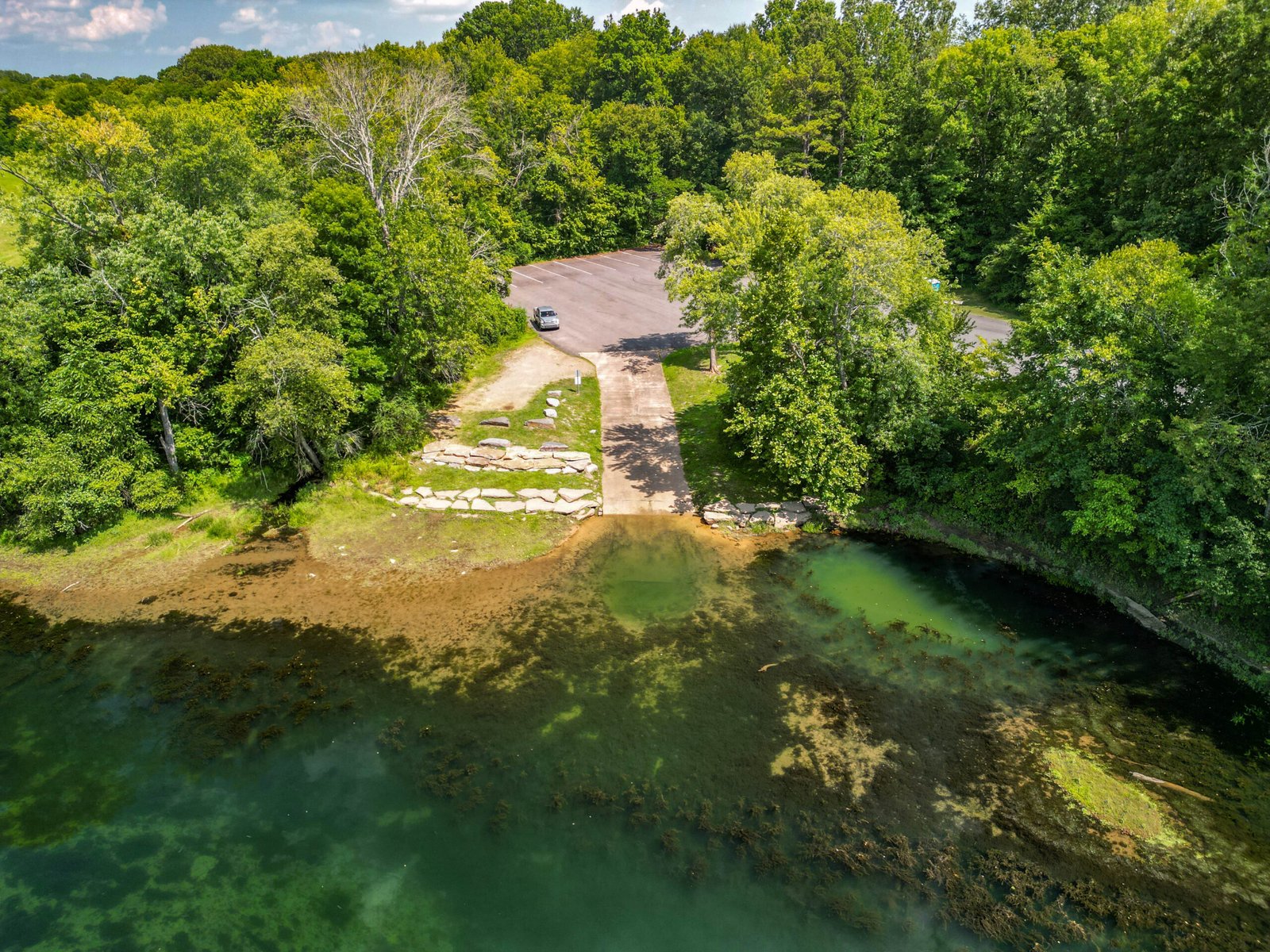
In a tailwater, water level changes the river quickly. A shoal that has usable depth and current one day can be shallow, still, warm, or partly dry the next. On the Little Red, the issue is adequate flow: enough cold, oxygenated water at the right times to keep habitat connected and functioning. Adequate flow determines how much aquatic vegetation stays wet, how much bug habitat remains available, how much gravel and cobble are in play, and how easily trout can move, feed, and recover.
The basic idea is simple: trout do best when the river regularly receives cold, oxygenated water and does not spend long stretches acting like a pond. Long periods with little or no generation can expose habitat, warm the river, and concentrate fish. Sudden changes can affect insect life as well.
Many hatches are tied to water temperature and conditions. If the river sits low and warms quickly, a hatch that might have stretched out over weeks can happen in a short burst. That may look impressive for a day or two, but steady insect life is more valuable than a river that gives everything at once.
Temperature deserves the same attention as rocks and cover. Cold water is habitat. Shade is habitat. A cool, vegetated bank is part of the trout system. A single hardened bank project will not warm the whole river by itself, but repeated loss of shade and living banks can add stress to a system already dealing with hot summers and periods without adequate flow.
This is why temperature, dissolved oxygen, and generation information matter to anglers. Watching those conditions helps us make better choices. Sometimes stewardship is as simple as choosing a different stretch, fishing earlier, or giving trout a break when conditions are stressful.
Wood Is Not Trash
Laydowns, root wads, and fallen trees are some of the most valuable cover on the Little Red. Many experienced anglers already know this: big brown trout often live near wood, especially where depth, shade, and current come together. Wood breaks current, creates holding water, and gives fish protection from boats, birds, bright sun, and fishing pressure.
Sometimes wood creates a real hazard and must be addressed. But from a trout’s perspective, wood is not a waste. It is structure. Before removing it, we should ask whether it is truly causing a problem or whether it is providing habitat the river cannot easily replace.
The Banks Are Part of the River
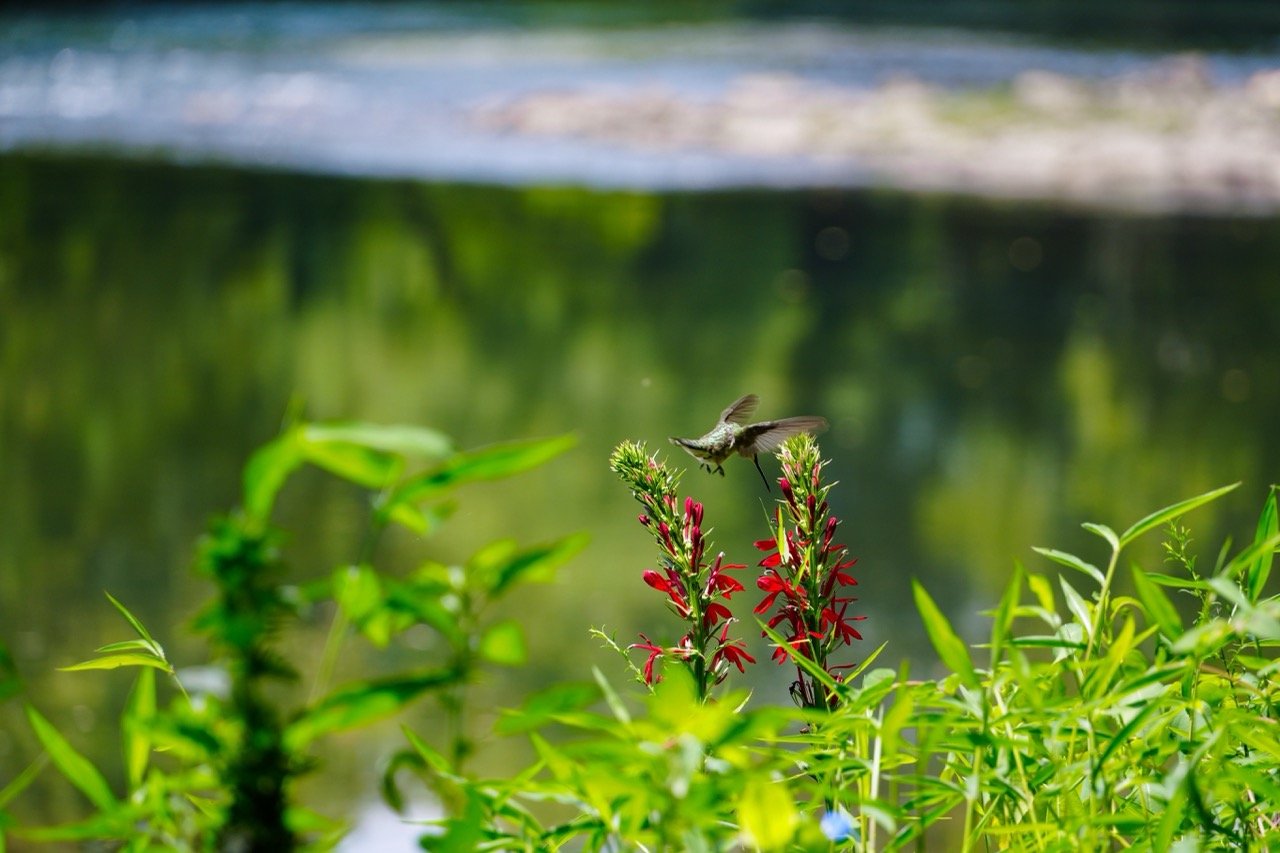
One of the easiest things to overlook is that trout habitat does not stop at the waterline. The high-water mark and the banks above it are part of the river system. Native grasses, flowers, shrubs, and trees hold soil, shade the edge, slow runoff, support pollinators and terrestrial insects, and give the river a living buffer.
Many of those plants are not weeds. They are bank protection. Some native plants put much of their life underground, with deep roots that stabilize soil far better than shallow growth on top of fabric or rock. When banks are mowed or weed-eaten to the water’s edge, the river loses that protection.
This does not mean every property owner has done something wrong. Most people are trying to protect their investment, keep a place tidy, or follow the advice they have been given. But the river teaches us that a tidy bank is not always a healthy bank. A living bank often does more for trout than a manicured edge.
Development, Docks, and Bank Work
Docks are part of the modern Little Red, and we should talk about them honestly. They are not simply a negative feature. Evidence and on-the-water experience both show that trout use docks for shade, overhead cover, and places to hide, especially around deeper water. At the same time, docks, walkways, cleared lots, and hardened banks can still shape current, influence banks, and affect the shoreline around them.
Bank stabilization is another place where we need honest, careful thinking. Rock can have a place. Some banks truly need help. But rock alone is rarely the whole answer. A phrase often used in habitat discussions says it well: "rocks are the band-aid, plants are the fix."
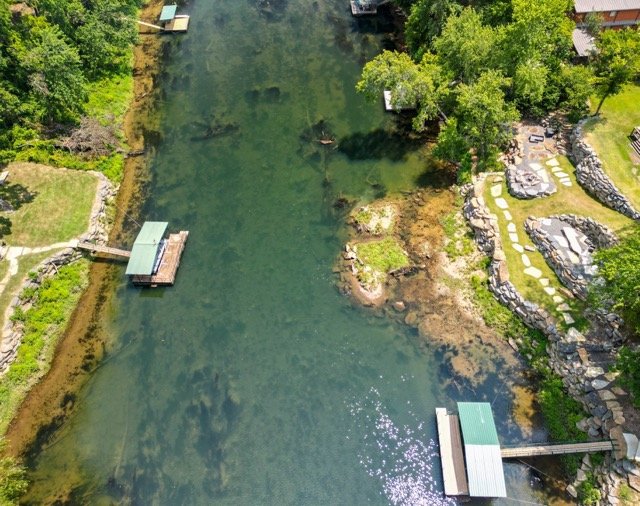
The point is not to criticize landowners, contractors, or agencies. The point is to make sure bank work functions as habitat, not just as a finished-looking shoreline. Better projects should keep or restore native plants, protect roots, slow runoff, and allow the bank to function as part of the river. A stable bank should not only stay in place. It should help the river stay alive.
Stewardship Starts With Attention
There is an old conservation idea that says, "You can’t conserve what you don’t understand." That is a good starting point for the Little Red. Before we decide what needs to change, we have to understand what the river is already doing, what is working, and what pressures it is carrying.
The Little Red River still has remarkable habitat. It has wild brown trout, strong insect life in places, native plants along its banks, cold water from Greers Ferry Dam, and a community of anglers who care deeply about its future. That is good news. It also means we have something worth protecting.
The challenges are real: sediment, the need for adequate flow, warming edges, loss of bank vegetation, too much or the wrong kind of aquatic growth in some areas, and development choices that may have long-term consequences. None of these issues belong to one person or one group. They are shared challenges on a shared river, and that phrase matters. It keeps us from looking for one villain or one simple fix when the river is asking for patience, understanding, and cooperation.
LRRGA’s hope is to help more people see what is happening. The beginner learning where trout live, the guide rowing the river every week, the landowner maintaining a bank, the agency biologist, the community depending on water downstream, and the weekend angler all have a stake in the same system.
If we can start by paying attention, we can make better decisions. Leave native vegetation where it is helping. Think twice before mowing or clearing the high-water mark. Respect wood and shade as habitat. Watch temperature, dissolved oxygen, and generation. Support projects that restore living banks. Ask good questions before assuming a clean-looking shoreline is a healthy one.
The Little Red does not need us to agree on every detail before we begin caring for it together. It needs humility, patience, and a willingness to learn from the river itself. If anglers, landowners, guides, agencies, and local communities can keep coming to the same table, we can protect the habitat that supports the trout, the fishing, and the river we all love.